This chapter separates sourced historical facts from interpretation. It does not glamorize violence or portray today’s city as free of risk.
A metro built before the world paid attention
Commercial operation of Medellín’s Metro began on November 30, 1995. It was a major infrastructure achievement during a difficult historical period and eventually became a source of local civic pride.
The cable cars were built for residents
Line K of the Metrocable began commercial service on August 7, 2004, connecting steep hillside areas to the wider transit network. It was developed as urban mass transit, not as a sightseeing gimmick. Its influence extended well beyond transport planning.
Social urbanism and public investment
Public libraries, education, cultural centers and design-led projects helped change access to services and the way parts of the city were represented. The gains were uneven, and not every intervention succeeded as intended; the broader shift remains meaningful.
Comuna 13: more than murals
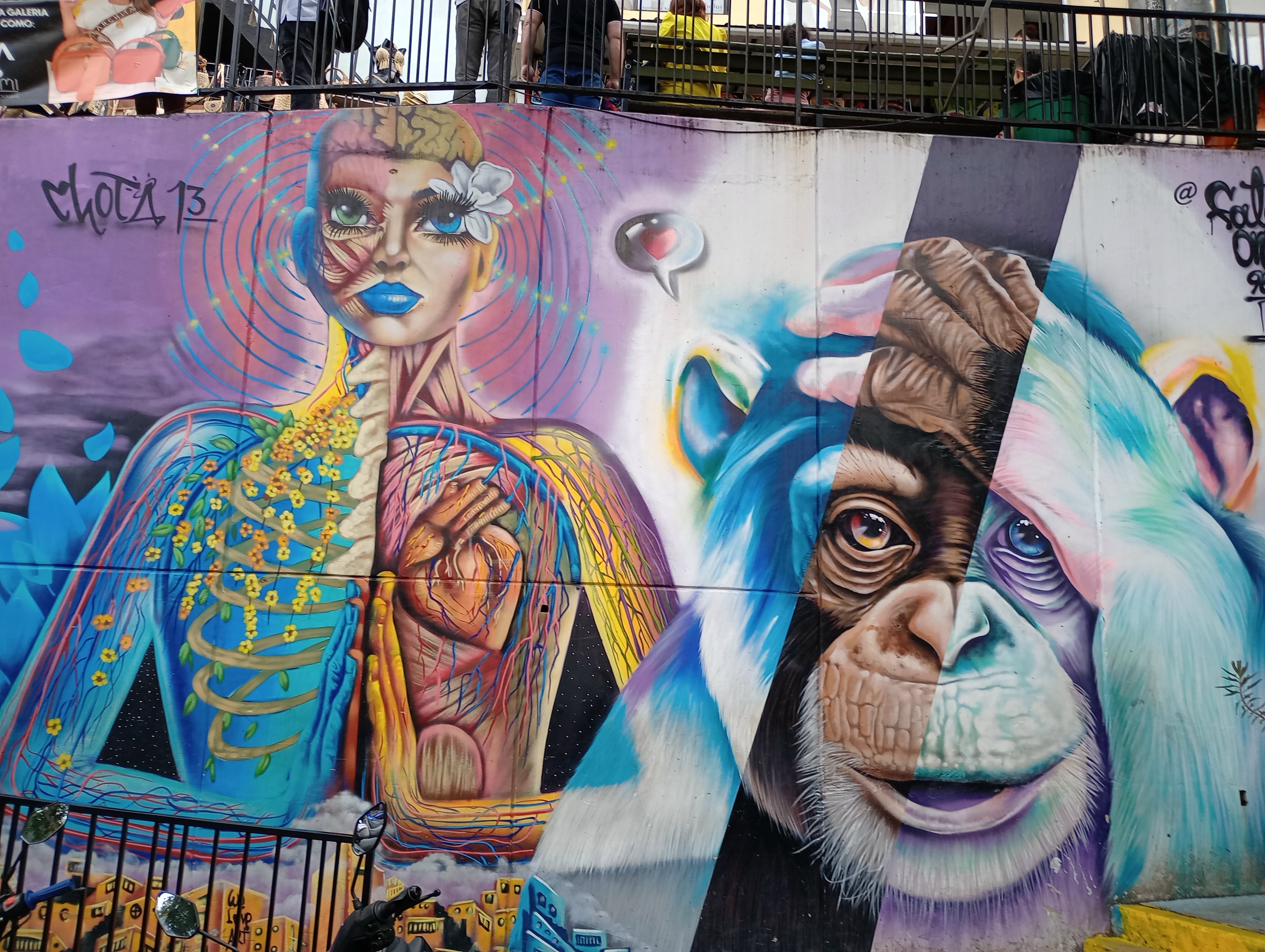
The outdoor escalators in Las Independencias opened on December 25, 2011. They are a remarkable piece of urban access infrastructure, but the community’s musicians, artists, residents and memory activists have their own agency. The neighborhood cannot be reduced to a colorful backdrop.
A transformation with unfinished work
A decline in homicide and increased public investment are real achievements. But inequality, criminal pressure, housing costs and the legacy of disappearances remain. A rigorous history should hold the progress and its limitations side by side.
“The great lesson of Medellín is not that one city discovered a magic formula. It is that public investment and civic action can change the experience of daily life.”