THE AMERICAN PERSPECTIVE
Last time you heard about Medellín,
it was on the evening news.
If you remember the bombings, Escobar and the headlines of the 1980s and 1990s, that history was not exaggerated out of thin air. But decades have passed. Here is the part of the story many Americans missed.
THREE HONEST ANSWERS
Was it really that dangerous?
Yes. The city experienced a devastating period of organized violence. The city council’s historical series cites 6,809 homicides in 1991. American television's association of Medellín with extreme danger reflected a genuine crisis, even though it rarely depicted the ordinary people caught in it.
Read the data and methodology ↗
What changed?
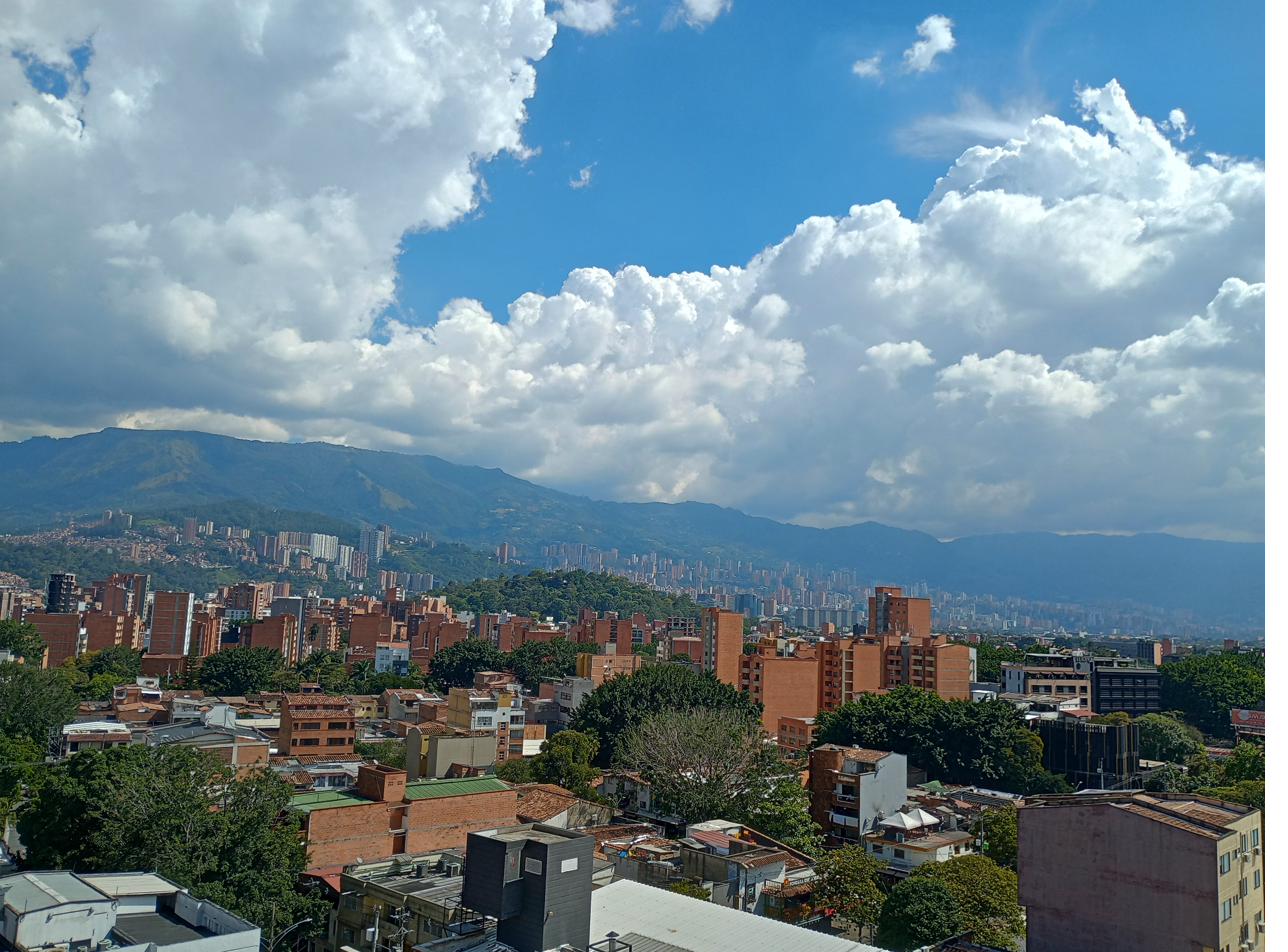
Escobar's death was not a magic turning point. Communities, public services, transit investment and changing patterns of violence all mattered. The Metro opened in 1995, Metrocable Line K in 2004, and the Comuna 13 escalators in 2011. Today's city is both an extraordinary urban case study and an unfinished one.
So is Medellín safe to visit now?
There is no responsible blanket guarantee. Medellín's long-term homicide figures are dramatically lower than at their peak, but visitors can still face crime, scams and other risks. Consult current U.S. State Department and Colombian official guidance close to departure. Don't rely on a static history site for live safety alerts.
U.S. State Department: Colombia travel advisory ↗
Why go at all?
Because the city offers an uncommon chance to see how an urban place changes over a lifetime. Visit museums, ride the Metro as a public system, listen to neighborhood perspectives, enjoy the architecture and food, and be interested in more than Escobar.
Approach Medellín with curiosity and realistic precautions, not the expectation of either a war zone or a flawless paradise.