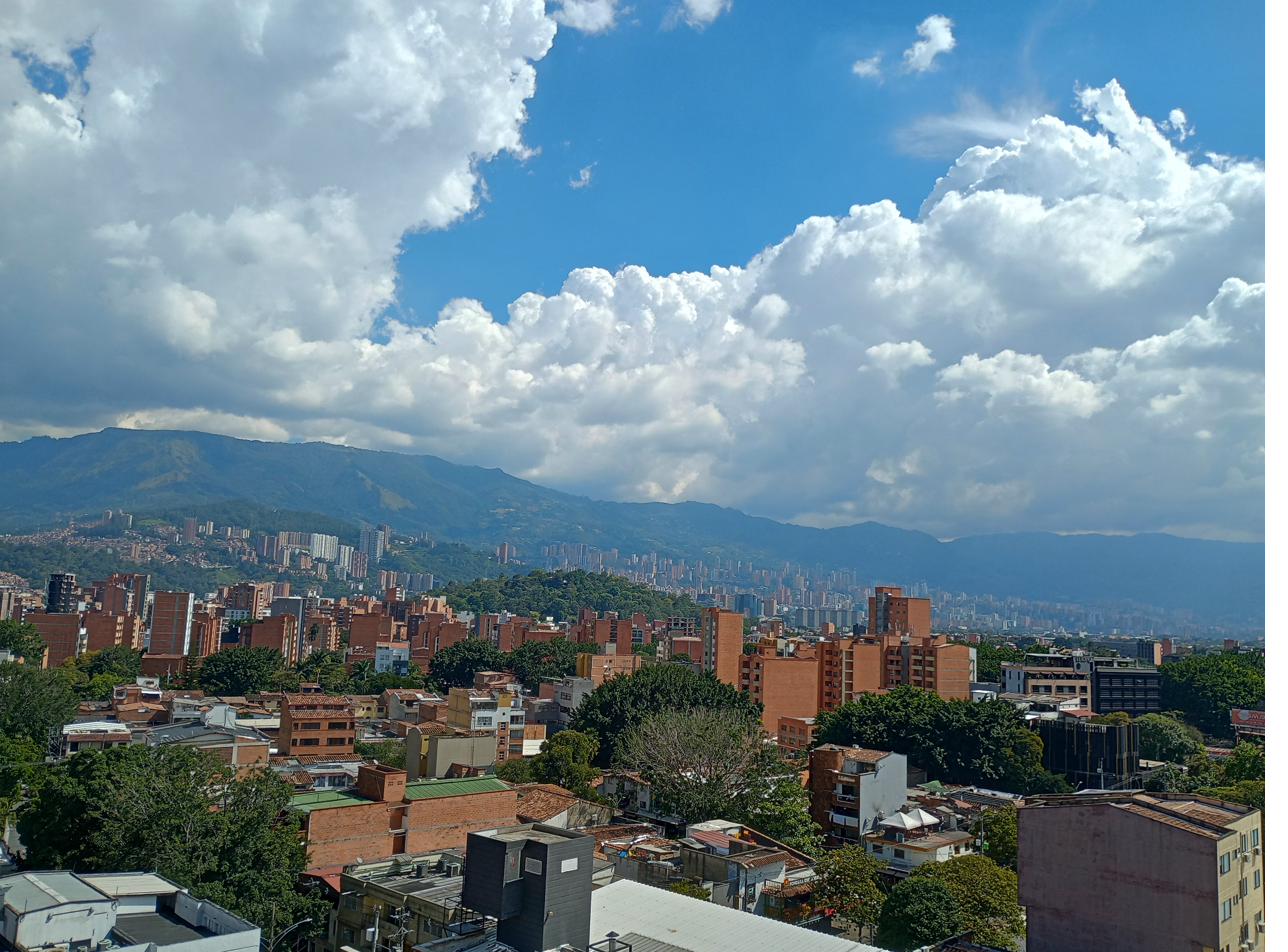
This chapter separates sourced historical facts from interpretation. It does not glamorize violence or portray today’s city as free of risk.
A different baseline
The city council’s security observatory cites 319 homicides in 2024, compared with 6,809 in 1991. It also reports an increase to 326 in 2025. The long-run improvement is dramatic, but it should never be confused with a guarantee of personal safety.
A city in motion
Commuters use rail, cable cars, buses and trams. Downtown commerce still thrives amid rapid change. Museums, universities, restaurants, music and neighborhood life remain part of the city’s everyday identity.
Not a frictionless success story
The city continues to face inequality, extortion, displacement, housing affordability pressures and exploitation associated with some forms of tourism. Local communities differ widely, and responsible visitors should learn about a place before assuming they understand it.
For first-time Americans
The useful question is not “Is Medellín safe, yes or no?” It is “What has changed since the 1990s, and how can I visit with realistic expectations?” Avoid treating the city as a theme park. Follow current official travel guidance and common local precautions.
Beyond the visitor bubble
One of the best ways to understand today’s Medellín is through its neighborhoods, transport, culture and history, including areas beyond restaurant-and-nightlife itineraries. Approach communities as places where people live rather than attractions.
“Medellín is neither the nightmare in the old news footage nor an urban fairy tale. It is a complicated, living city.”