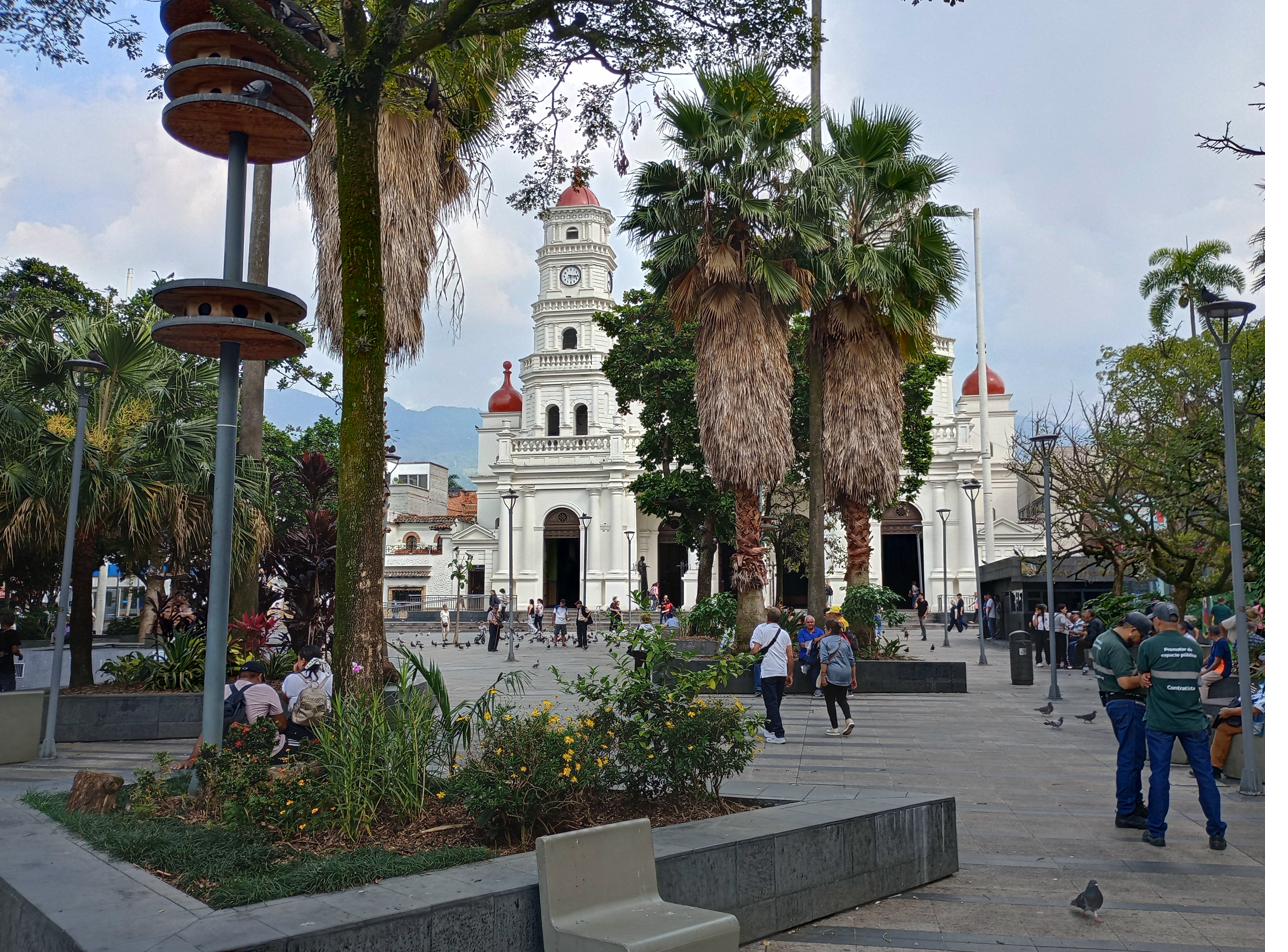
This chapter separates sourced historical facts from interpretation. It does not glamorize violence or portray today’s city as free of risk.
Before cable cars and skyline photos
Older residents may remember traditional family outings downtown, movie theaters, small shops, the rhythm of the plaza and neighborhoods that still felt like separate towns. The wider metropolitan valley was connected by commerce and roads long before an integrated metro system.
Music, football and Sunday rituals
The city had football allegiances, local festivals, commercial districts and neighborhood institutions that kept daily life going. These were not side stories: they were the texture of ordinary life, even during years when violence reached into nearly every family.
How we want to build this chapter
This page is an invitation as well as an introduction. We want dated, located photographs and first-person accounts of stores, theaters, factories, school days and ordinary streets. We will identify what is a documented fact and what is a personal recollection.
What we will not do
We will not invent nostalgic quotes, dress current photos up as “historic,” or assume every resident experienced each decade in the same way. A remembered city deserves authentic evidence.
“The city in the headlines was real. So was the city of families, music, commerce and routine that carried on within it.”