You are not imagining the old headlines. The violence was real. So are the changes. But we will not turn either truth into a sales slogan.
The Medellín of the cartel years is not today's city
Metro trains, hillside cable cars, public spaces, restaurants, art and new businesses reflect decades of work. Visitors can encounter an extraordinary city that does not resemble the version they remember from television in the late twentieth century.
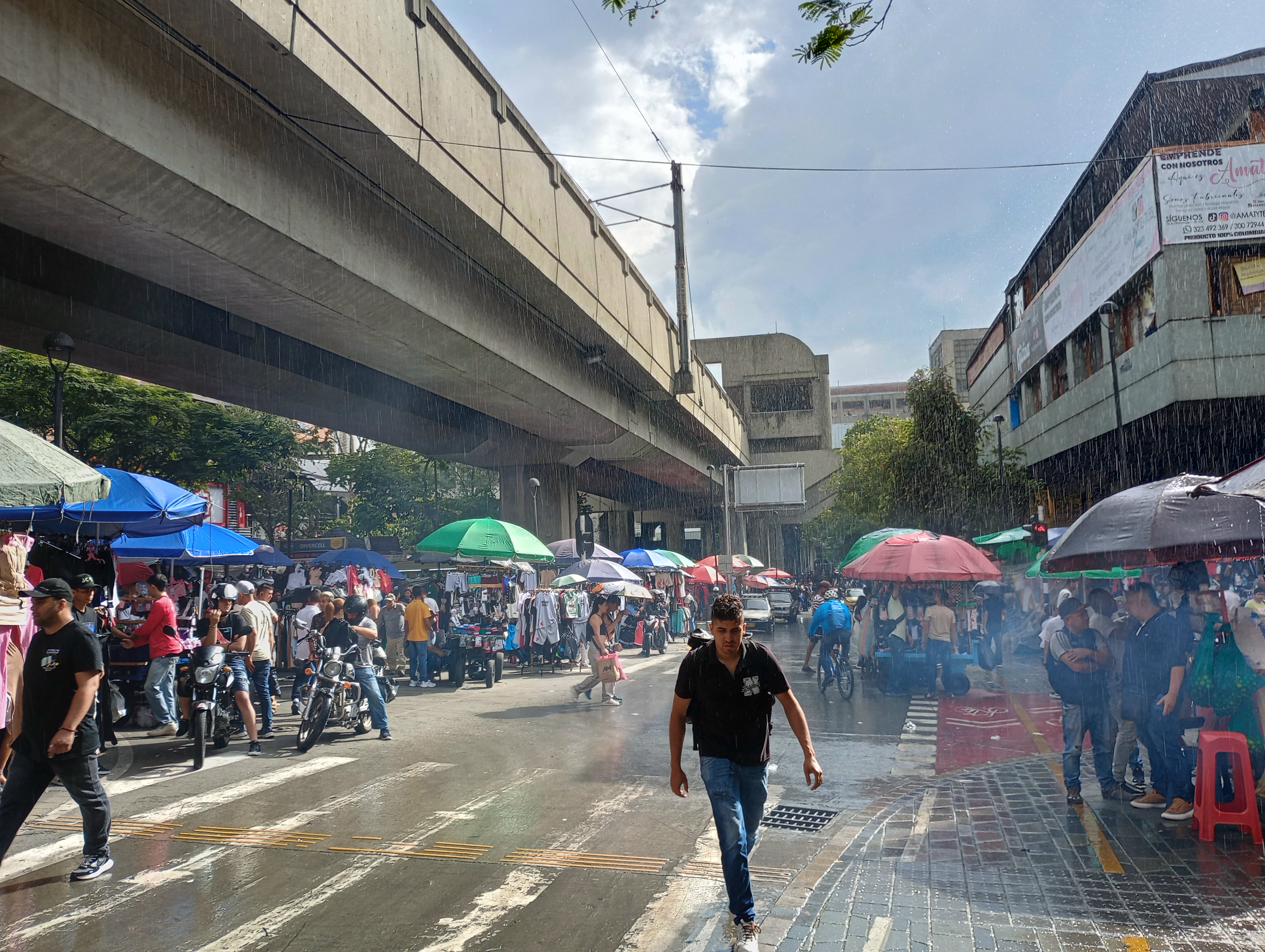
Does that mean it's safe everywhere?
No. Theft, robbery, drugging and scams targeting visitors are legitimate concerns, including around dating and nightlife. Risks vary by activity, time and location. An unfamiliar neighborhood should not be assumed safe because photos look appealing, nor dangerous simply because it is working-class.
As of October 22, 2026, the U.S. Department of State's advisory for Colombia is Level 3: Reconsider Travel, citing multiple risks. This is a nationwide advisory rather than a personalized street-by-street guarantee. Read the latest official version before deciding whether to visit.
Practical precautions
- Read the latest U.S. State Department Colombia advisory, not only travel blogs.
- Use reputable transport and accommodation; consider arranging airport pickup through your hotel.
- Guard your phone and valuables; avoid displaying large amounts of cash.
- Be especially cautious about dating-app meetups, unknown companions, unattended drinks and invitations to private settings.
- Do not assume a tour guide, apartment listing or influencer recommendation is a safety certification.
- Ask locally about conditions and avoid isolated routes at night.
- Buy travel insurance that suits your trip and know how to contact your embassy or consulate.
Come for the city, not the cartel mythology
Architecture, food, football, music, art, public transportation and the hospitality of its people deserve their own attention. If you explore the years of violence, choose a museum or respectful historical program rather than a tour that celebrates perpetrators.
Continue exploring
Learn the city's history or browse photographs of Medellín today to see the city as it is, not as a crime-drama backdrop.