To understand Medellín, begin before the cartels. The valley has always held much more than the worst headlines from its recent history.
Before Medellín had a name
Indigenous communities, including peoples described in historical accounts as Aburraes, lived in the valley before the Spanish arrival. In 1616 the settlement of San Lorenzo de Aburrá was established. On November 2, 1675, the Villa de Nuestra Señora de la Candelaria de Medellín was founded. These dates refer to distinct historical events, not interchangeable founding dates.
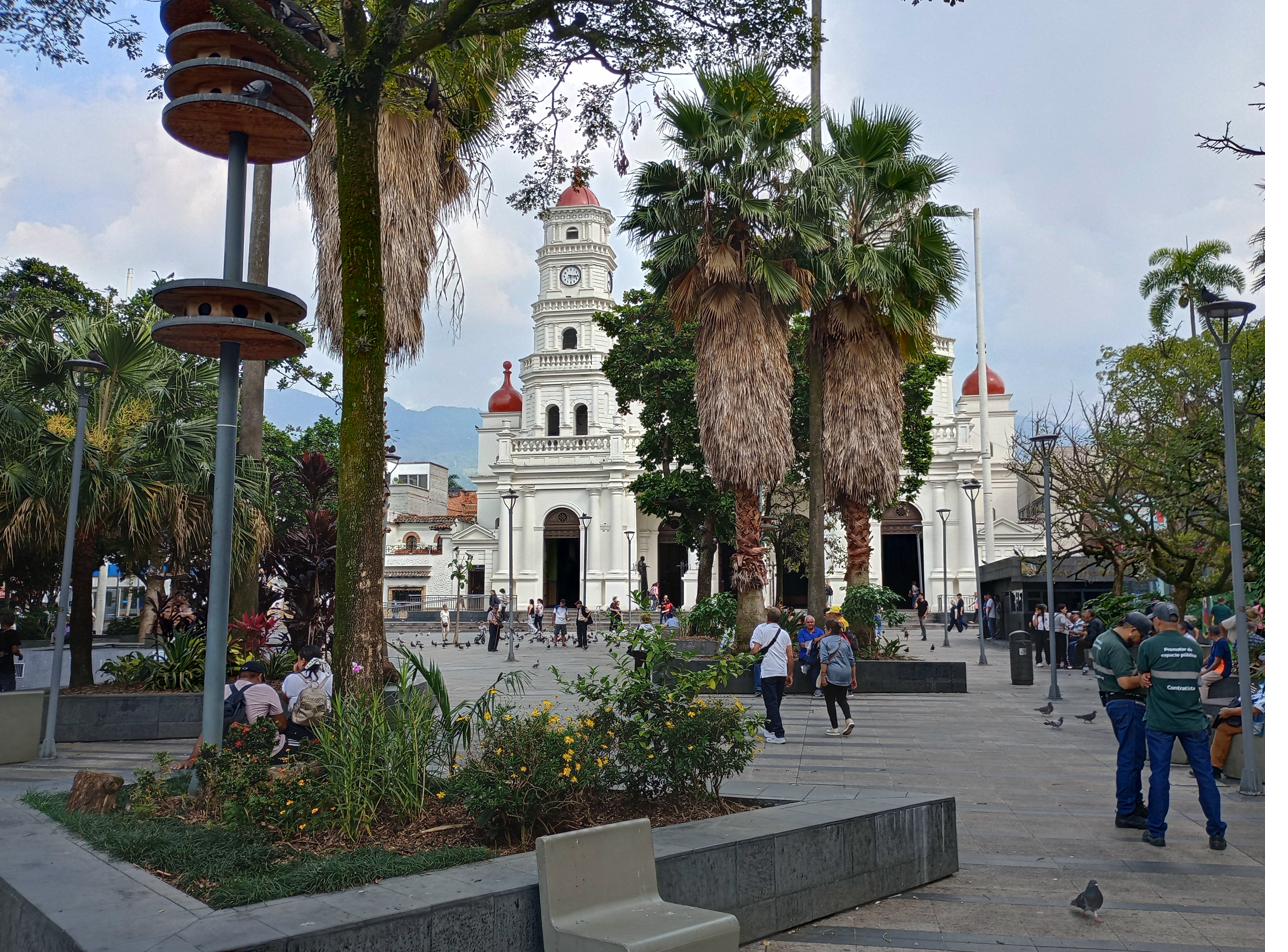
Work, industry and neighborhoods
Textile mills, commerce, migration and the energy of Antioquia's communities made Medellín a major industrial center in the twentieth century. Its neighborhoods grew around factories, family businesses, churches, markets and transportation routes. This everyday history matters as much as the city's political history.
Violence and its human cost
During the 1980s and early 1990s, organized crime, the Medellín cartel, political violence and armed conflict made the city internationally notorious. Assassinations, bombings, extortion and displacement left deep scars. Pablo Escobar is part of that story, but the victims, journalists, public servants, families and communities should not be reduced to supporting characters in his biography.
We do not claim a single statistic explains every aspect of these years. Crime figures depend on geographical boundaries, definitions and the series used.
Changing the city
The Metro began operation in 1995 and came to symbolize a wider shift in civic life. Cable cars, public libraries, schools, public spaces, arts projects and community initiatives later changed the built environment and created new possibilities. None of these erased inequality or violence overnight, and the transformation has been uneven.
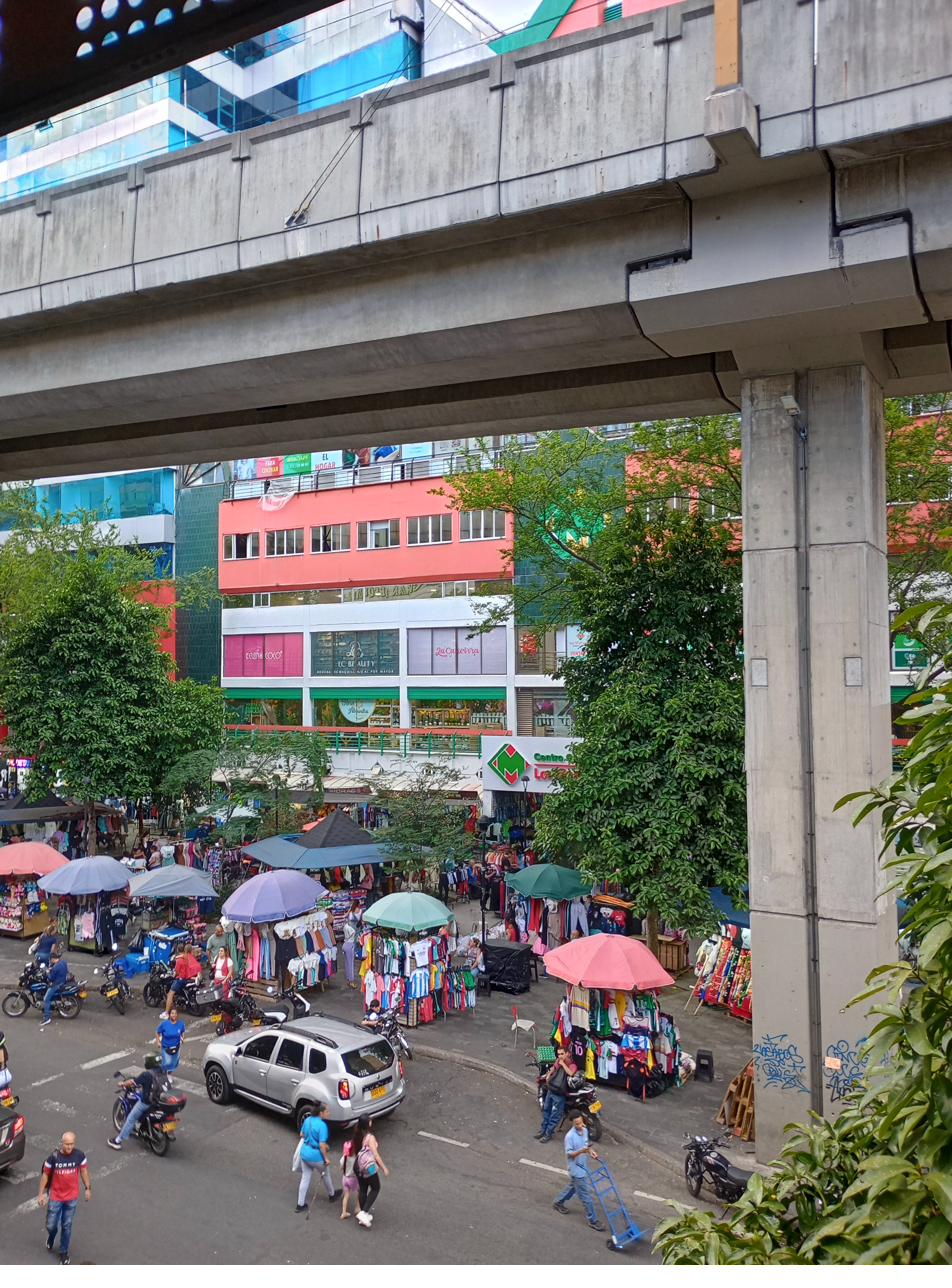
A present still in progress
Medellín today is an active center of culture, technology, commerce and tourism. Its challenges include public security, inequality, rising housing costs, mobility and climate resilience. The next chapter is not inevitable. It is a choice made daily by residents.